Picture the people behind some of Canada's best-known ventures: a basketball referee from Hamilton, a mechanic from rural Quebec, a group of street performers, a Métis businessman in Winnipeg and a software programmer in Ottawa. They came from different regions, cultures and generations, and they built very different businesses. Yet when you line up their stories, the same patterns keep showing up: they noticed a problem, they kept going when things went wrong, and they learned the skills they needed along the way. This lesson builds a profile of a typical successful entrepreneur from that diverse group and clears up some myths about who can become one.
Common Characteristics and Skills
Characteristics are the personal qualities that show up in how entrepreneurs behave. Skills are abilities that are learned through practice. The difference matters: if you think success depends only on personality, you might decide you are not the type. In reality, most of the skills on the right side of the profile can be learned by anyone willing to practise, and many characteristics, such as persistence, grow stronger with experience.
| Characteristic | What it looks like in action |
|---|---|
| Initiative | Acting without waiting to be told; making the first phone call |
| Persistence | Continuing after rejection, a failed prototype or a slow month |
| Calculated risk-taking | Taking risks that have been researched and planned, not wild gambles |
| Creativity | Finding new solutions or new uses for existing things |
| Self-confidence | Believing in the idea enough to pitch it to strangers |
| Adaptability | Changing the plan when customers or conditions change |
| Goal orientation | Setting clear targets and measuring progress toward them |
| Skill | What it involves | Student-venture example |
|---|---|---|
| Negotiating | Reaching an agreement that works for both sides | Getting a supplier to lower the price of 50 blank phone cases |
| Interpersonal | Communicating, listening and working well with others | Calming an upset customer whose driveway was shovelled late |
| Money management | Budgeting, tracking cash, pricing to cover costs | Recording every sale at the school store and checking the cash box |
| Selling | Explaining benefits and persuading customers to buy | Convincing a pizza shop that a yearbook ad will reach families |
| Planning | Setting goals, scheduling and organizing resources | Booking a car-wash location, volunteers and supplies a month ahead |
A Diverse Group of Canadian Entrepreneurs
A good profile comes from many examples, not one famous name. The entrepreneurs below differ in background, region, culture and industry. Read each one looking for the characteristics and skills from the tables above. The facts are kept short on purpose: what matters is the pattern, not the trivia.
| Entrepreneur | Venture | What it shows |
|---|---|---|
| Joseph-Armand Bombardier (Quebec) | Developed motorized snow vehicles; his company became known for the Ski-Doo snowmobile | Creativity and persistence: he worked on the problem of winter travel for years |
| Ron Foxcroft (Hamilton, Ontario) | A basketball referee who developed the Fox 40, a whistle with no pea inside | Spotting a problem from his own experience: a pea whistle can fail when it matters most |
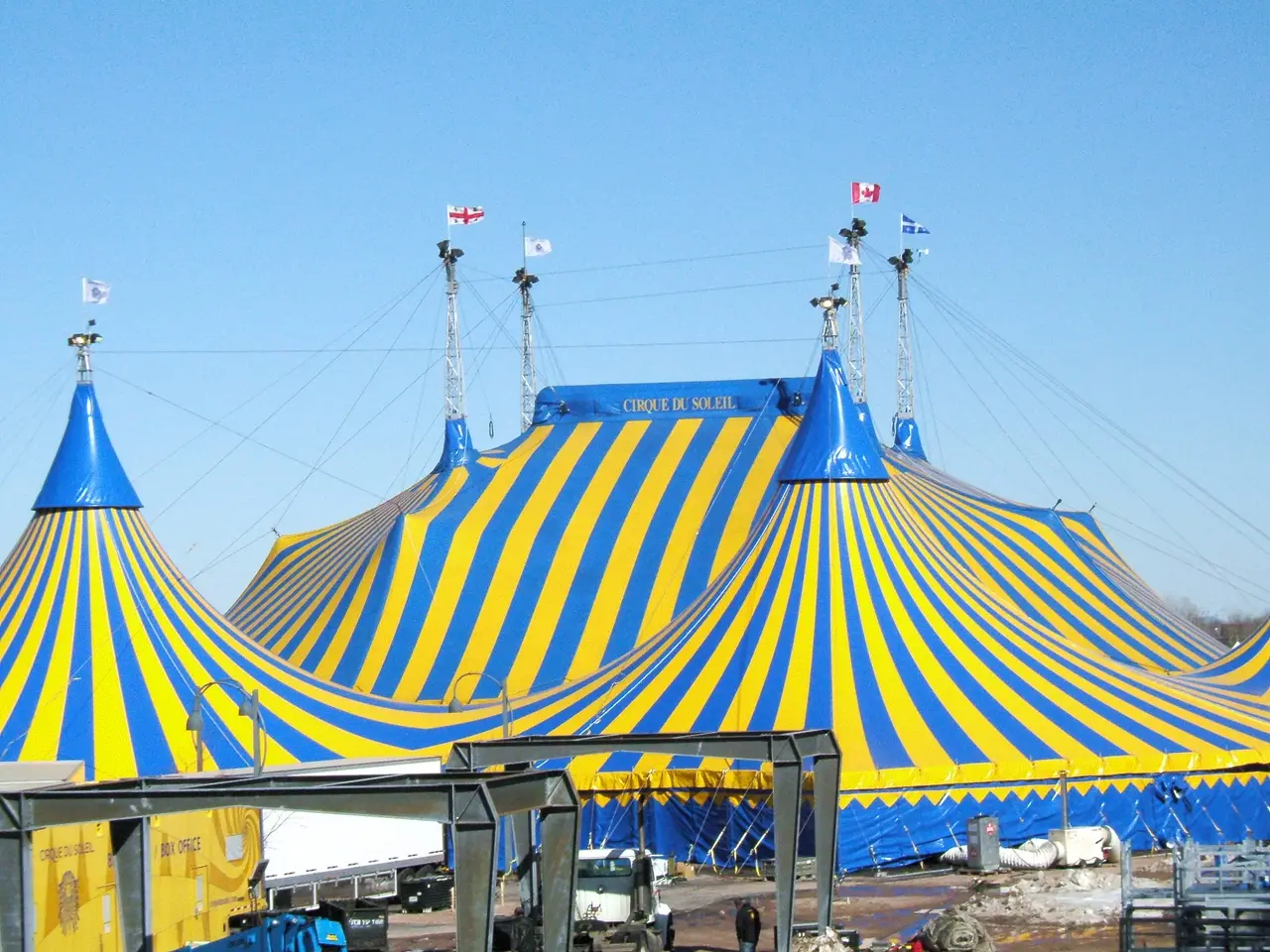
| Guy Laliberté and Gilles Ste-Croix (Quebec) | Co-founded Cirque du Soleil in 1984, a circus with no animal acts that grew from a troupe of street performers | Creativity and calculated risk: reinventing an old form of entertainment |
| Sean McCormick (Winnipeg, Manitoba) | A Métis entrepreneur who founded Manitobah Mukluks, an Indigenous-owned footwear company making mukluks and moccasins | Building a business that is rooted in culture and community |
| Tobi Lütke (Ottawa, Ontario) | Co-founded Shopify, which began when he and his partners built their own software to sell snowboards online | Adaptability: turning a tool built for one store into a platform for many businesses |
Myths About Entrepreneurs
| Myth | Reality |
|---|---|
| Entrepreneurs are born, not made. | Most entrepreneurial skills, such as selling, negotiating and money management, are learned through practice. |
| Entrepreneurs are wild risk-takers. | Successful entrepreneurs take calculated risks: they research and plan to reduce risk before acting. |
| You need a brand-new invention. | Many ventures improve something that already exists or serve a market better; Shopify started from a snowboard store's software. |
| You need to be rich to start. | Many ventures start small with personal savings, like a snow-shovelling service that needs only a good shovel. |
| Entrepreneurs work alone. | Most rely on partners, mentors, employees and customers; Cirque du Soleil had more than one founder. |
| It is all about the money. | Many are motivated by independence, solving a problem, creativity or helping a community. |