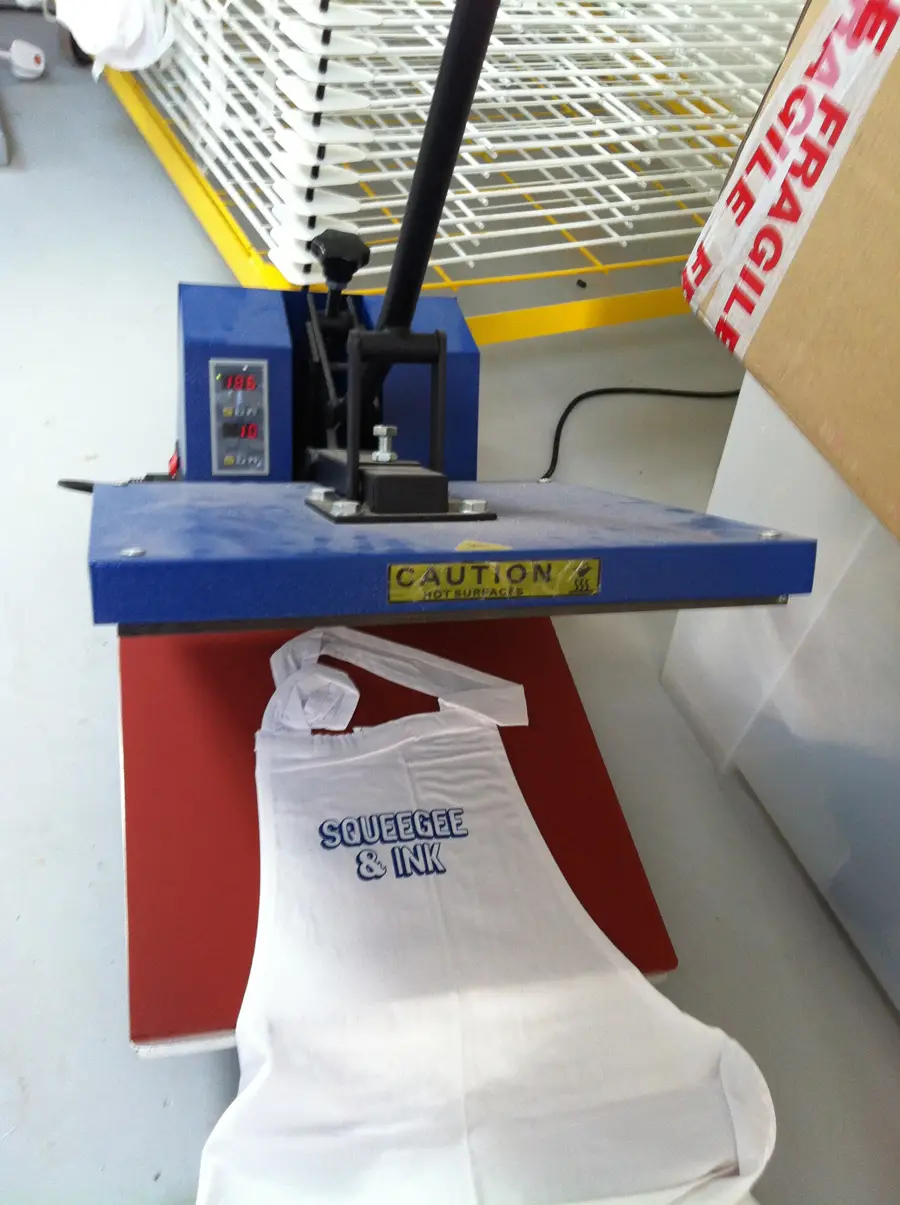
Maya has a heat press in her basement and a plan: sell custom hoodies to her school's graduating class under the name Class Act Hoodies. Her first weekend, she makes six hoodies in four hours, burns her wrist on the press, peels one design on crooked, and throws out a pile of wasted vinyl. Customers do not see any of that. They only see whether their hoodie shows up on time, looks good and lasts. Everything that happens between "order received" and "hoodie delivered" is called operations, and doing it well is what lets a business keep its promises without losing money.
Operations (also called production) is the business function that makes the product or delivers the service. A product is something physical you can hold, like a hoodie. A service is work done for someone, like a bike repair or a tutoring session. Both need operations: a tutor still has to book the session, prepare, teach and follow up.
Inputs, process and outputs
Every production system, from a car factory to a lemonade stand, has the same three parts. Inputs are everything that goes in: materials (blank hoodies, vinyl), equipment (the heat press, a cutting machine), labour (the people's time and skill), money, and information (the customer's design and size). The process is the ordered set of steps that changes the inputs. Outputs are what comes out: the finished product, and also by-products like scrap vinyl and packaging waste.
| Step | What happens | Time per hoodie (minutes) |
|---|---|---|
| 1. Cut | The cutting machine cuts the design out of a sheet of heat-transfer vinyl | 4 |
| 2. Weed | Peel away the vinyl that is not part of the design | 8 |
| 3. Press | Line up the design and heat-press it onto the hoodie | 3 |
| 4. Inspect | Check spelling, placement, size and that the vinyl is stuck down | 2 |
| 5. Pack | Fold, bag and label with the customer's name | 3 |
| Total | 20 |
- Time per unit is the total working time to make one item: add the time for every step. For Class Act Hoodies, minutes.
- Capacity is the most a business can make in a set time. In a 3-hour (180-minute) Saturday shift: hoodies.
- Quality control means checking work against a standard and catching mistakes before the customer does. Step 4 is Class Act Hoodies' quality check.
- A bottleneck is the slowest step, the one that limits how fast everything else can go. Here it is weeding, at 8 minutes.
How businesses improve their processes
Businesses do not just ask "how fast can we go?" They also ask whether the process is safe for workers, fair to the people who make the materials, and gentle on the environment. Here are four kinds of improvement that real businesses use all the time.
| Goal | Common practice | What it could look like at Class Act Hoodies |
|---|---|---|
| Efficiency | Lean thinking: find and remove waste (waiting, extra motion, defects, overproduction); work in batches; fix the bottleneck first | Cut four designs on one vinyl sheet at once; use a lighted weeding pad; set up a fold-and-bag station |
| Health and safety | Safety training, protective equipment, clear work areas, regular breaks, reporting near-misses | Heat-resistant gloves, a written press checklist, the press on a stable table away from walkways |
| Ethics | Ethical sourcing: buy from suppliers who treat workers fairly and say where items are made; honest product descriptions | Choose a blank-hoodie supplier that publishes where and how its hoodies are made |
| Sustainability | Reduce, reuse, recycle; less packaging; less energy; make to order instead of guessing | Make hoodies only after they are ordered; switch to paper mailers; nest designs to cut vinyl scrap |
Outlining your own process
To outline a process for your own venture, list the inputs, write each step in order with a time estimate, mark where quality is checked, and then go through it four times asking: Is it efficient? Is it healthy and safe? Is it ethical? Is it sustainable? Finally, work out the cost per unit, because a process that is fast but too expensive still fails.