Skip to content
Study Hall
Lesson 2 of 5The Entrepreneurial Mindset
Unit 1 · Lesson 2 of 5

Canadian Entrepreneurs and Their Stories

Canadian entrepreneurs, including First Nations, Métis and Inuit entrepreneurs, often innovated by noticing a problem in their own lives, using a skill or experience they already had, and taking a risk to act on it.

4 min read1 quick check8 practice questionsAsk AI about this →

Key things to remember

  1. 1To innovate is to improve something that exists or find a new use for it; an invention is something brand new.
  2. 2The innovation pattern: a problem you notice + a skill or experience you have + a risk you take.
  3. 3Joseph-Armand Bombardier (Quebec) built snow vehicles; his work led to the Ski-Doo (1959). Ron Foxcroft (Hamilton) developed the pea-less Fox 40 whistle.
  4. 4Sean McCormick, a Métis entrepreneur, founded Manitobah Mukluks in Winnipeg. Tobi Lütke and his co-founders built Shopify after creating software to sell snowboards online.
  5. 5Guy Laliberté and Gilles Ste-Croix co-founded Cirque du Soleil in 1984.

Big ideas rarely appear out of nowhere. Most come from someone's everyday life: a job, a hobby, a winter that is hard to travel in, or a culture they grew up in. In this lesson you will meet five Canadian ventures and look for a pattern. To innovate means to improve something that already exists or find a new use for it. An invention is something brand new. Most entrepreneurs are innovators, not inventors, and that is good news: you do not need a brand-new idea, you need a better one.

Solving problems from everyday life

Joseph-Armand Bombardier was a mechanic from Quebec. In rural Quebec, deep winter snow made travel very hard. Bombardier spent years building and improving vehicles that could travel over snow. His work led to the Ski-Doo, a small snowmobile for one or two riders that came out in 1959. His company, Bombardier, grew into a large Canadian manufacturer. The problem was local and personal: getting around in winter. The skill was mechanical: he knew how engines and machines worked.

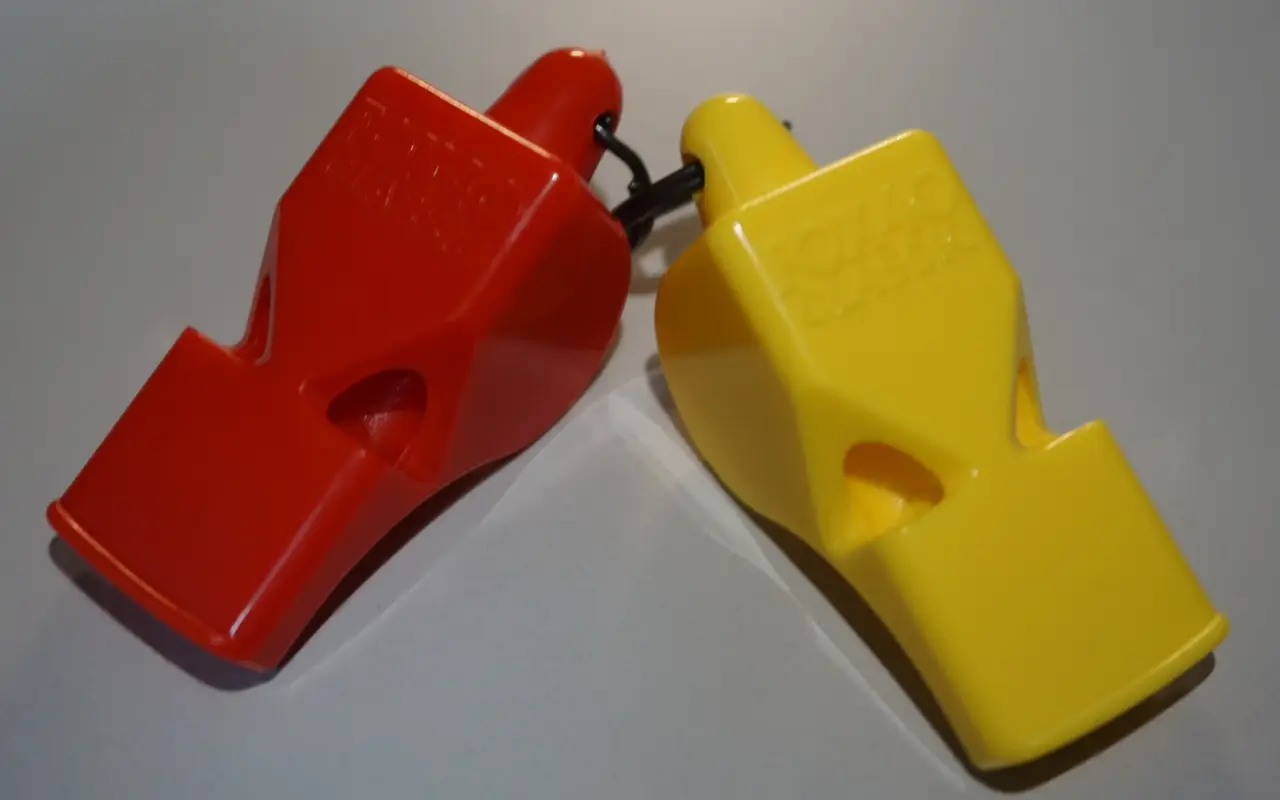
Ron Foxcroft of Hamilton, Ontario, was a basketball referee. Most whistles of the time had a small ball, called a pea, inside. A pea whistle can stick or fail to make a sound, which is a real problem when a referee has to stop play right away. Foxcroft developed the Fox 40, a whistle with no pea at all. The problem came straight from his job on the court. His experience as a referee told him exactly what a whistle needed to do.
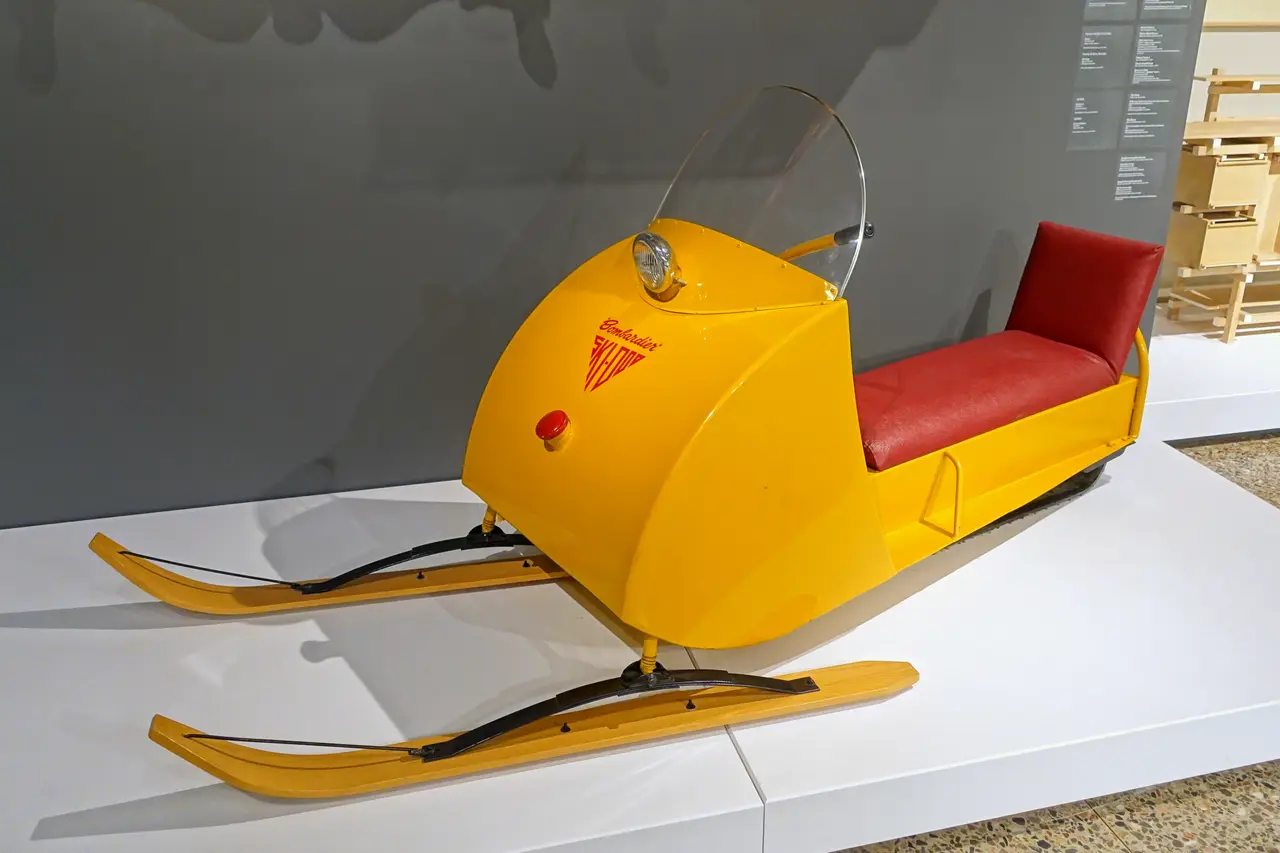
A small yellow Bombardier Ski-Doo snowmobile with a red seat, a windshield and wooden skis, on display in a museum.
PhotoAn early Bombardier Ski-Doo, built in 1961 and now in the Montreal Museum of Fine Arts. Small machines like this grew out of Joseph-Armand Bombardier's years of work on vehicles that could travel over deep snow.Daderot, CC0, via Wikimedia Commons
Two plastic Fox 40 Classic whistles, one red and one yellow, lying on a grey surface.
PhotoFox 40 whistles have no pea inside, so there is nothing to stick or jam. Ron Foxcroft improved a product that already existed, which makes it an innovation.LapisLazuli5336, CC BY-SA 4.0, via Wikimedia Commons
VideoWatch for the problem Ron Foxcroft saw as a referee and the financial risk he took to make his pea-less whistle, the same problem, experience and risk pattern used in this lesson.Watch on YouTube

Building on culture and community

Sean McCormick, a Métis entrepreneur, founded Manitobah Mukluks in Winnipeg. Mukluks are soft winter boots, and moccasins are soft leather shoes; both have long histories in Indigenous cultures. The company makes mukluks and moccasins rooted in those traditions and runs the Storyboot Project, which sells handmade mukluks and moccasins made by Indigenous artisans and returns the profits to them. An artisan is a skilled person who makes things by hand. McCormick's experience and heritage shaped what the business makes and whom it works with. His venture shows that culture and community can be the starting point for an innovation.

Guy Laliberté and Gilles Ste-Croix were street performers in Quebec. In 1984 they co-founded Cirque du Soleil, a circus with no animal acts that blends acrobatics, music, costumes and theatre. Their experience as performers gave them the skills and the contacts. Their innovation was to change what people expected a circus to be.
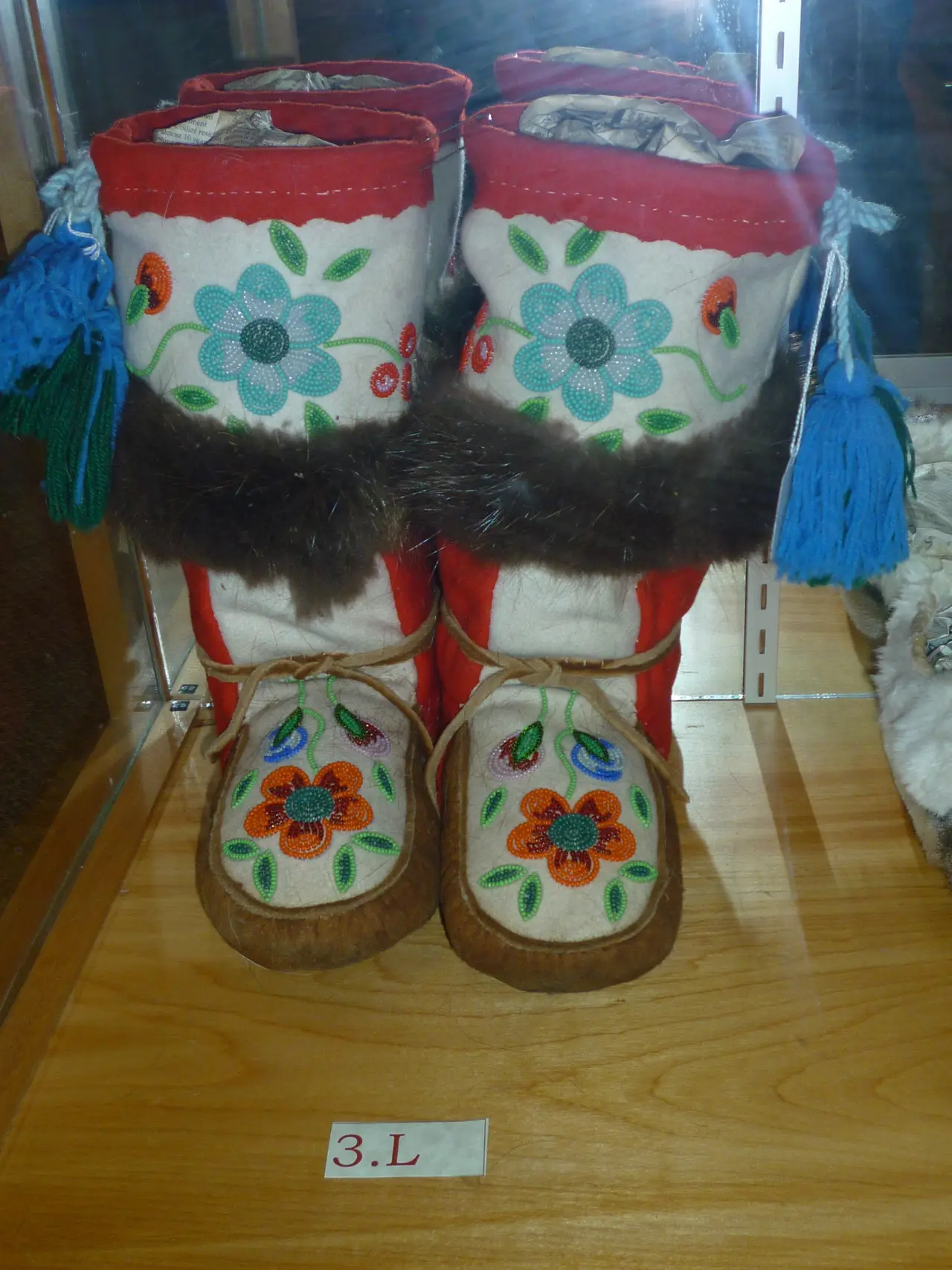
A pair of tall felt mukluks with deerskin feet, decorated with beaded flowers and a band of fur, in a museum display case.
PhotoMukluks are soft winter boots with long histories in Indigenous cultures, often decorated with beadwork like this pair in a museum in Montana. Manitobah Mukluks built a business on footwear inspired by these traditions.Djembayz, CC BY-SA 3.0, via Wikimedia Commons

Turning a side project into a platform

Tobi Lütke and his co-founders wanted to sell snowboards online from Ottawa in the mid-2000s. The online store software they tried did not do what they wanted. Lütke was a computer programmer, so he built his own. They soon realized the software was more valuable than the snowboards. They turned it into Shopify, a platform that lets other people build their own online stores. A platform is a service that other businesses build on. This is a classic innovation story: a tool built to solve your own problem turns out to solve the same problem for many other people.

Patterns across the stories

VentureProblem they noticedSkill or experience they hadRisk they took
Snow vehicles and the Ski-DooWinter travel in rural Quebec was very hardMechanic who understood enginesYears of time and money on vehicles that might not work
Fox 40 whistlePea whistles can stick or fail during a gameBasketball refereePaying to develop a new product in a market full of old whistles
Manitobah MukluksA chance to share Indigenous footwear traditions through a businessMétis heritage and connection to Indigenous artisansStarting a new footwear company
ShopifyOnline store software did not do what they neededComputer programmingSwitching from selling snowboards to selling software
Cirque du SoleilA circus could be something new and differentStreet performingLaunching a new kind of show with no guarantee people would come
The same three-part pattern appears in every story.
The innovation pattern
Problem you notice + skill or experience you have + risk you are willing to take = a chance to innovate. You can use this pattern on your own life right now.
CauseKind of changeEffects onEntrepreneurspots a needand takes therisk to actNew productse.g. a reusable lunch kit or anew appNew methods of productione.g. 3D printing parts,automated packingNew ways of doing businesse.g. online ordering,subscriptions, delivery appsWorkersnew jobs and new skills; someold jobs change or disappearConsumersmore choice, better quality,often lower pricesCommunitieslocal jobs, leaders and rolemodels, sponsorships andscholarships
Fig 1Entrepreneurs act as agents of change: their new products and methods affect workers, consumers and communities.
Quick checkTry it before you read on
1
What did Ron Foxcroft's experience as a referee give him?

Worked examples

Reveal one step at a time and try to beat it to the next line.

Example 1
Use the three-part innovation pattern to analyse the Shopify story.
Example 2
Compare the Fox 40 and Cirque du Soleil stories. What is the same and what is different?
Example 3
Apply the pattern to yourself. Dev mows lawns in summer and notices that many neighbours also struggle to clear snow in winter. Build Dev's innovation pattern.

Where marks get lost

  • Thinking entrepreneurs succeed because of luck alone. In each story the founder's own problem and skill pointed the way.
  • Confusing invention with innovation. The Fox 40 improved the whistle, which already existed, so it is an innovation.
  • Adding details about real people that you are not sure of. When you write about a real entrepreneur, use only facts you can check.
  • Leaving out the risk. Every story includes time or money put into an idea that might not have worked.

Flashcards 8

Innovate
Invention
Joseph-Armand Bombardier
Ron Foxcroft
+ 4 more

Practice

1
Match each entrepreneur to the venture.
Joseph-Armand Bombardier
Ron Foxcroft
Sean McCormick
Tobi Lütke
Guy Laliberté
2
Why is the Fox 40 whistle an innovation rather than an invention?
3
Shopify began when its founders...
4
Manitobah Mukluks was founded by Sean McCormick. Which of the three Indigenous groups in Canada (First Nations, Métis, Inuit) does he belong to?
5
Put the parts of the innovation pattern in the order they usually happen.
  1. 1Connect it to a skill or experience you have
  2. 2Learn from the result and improve
  3. 3Take a risk to try a solution
  4. 4Notice a problem
6
What did Cirque du Soleil's founders change about the circus?
7
Which problem led to Bombardier's work on snow vehicles?
8
Aisha babysits and notices parents struggle to find fun, screen-free activities for kids. Using the innovation pattern, which is her best next step?

Spot a mistake on this page? Let us know