Skip to content
Study Hall
Lesson 1 of 6Ideas and Opportunities for New Ventures
Unit 2 · Lesson 1 of 6

Invention and Innovation

An invention is something brand new to the world, while an innovation is a new or improved way of using or delivering something that already exists, and both give entrepreneurs products to build ventures around.

5 min read1 quick check8 practice questionsAsk AI about this →

Key things to remember

  1. 1Invention = something new to the world (Velcro, basketball, the Internet).
  2. 2Innovation = a new or improved version of something that exists, or a new way to make, deliver or use it (cellphones, flat-screen TVs, coloured ketchup).
  3. 3Every successful invention or innovation satisfies a need (must have) or a want (preferred way to meet a need).
  4. 4An invention becomes a business only when an entrepreneur organizes money, people and marketing to bring it to customers.
  5. 5Most ventures, including student ventures, are built on innovation rather than invention.

Think about the last thing you bought that felt new. Chances are it was not new to the world at all. It was a phone with a better camera, a drink in a new flavour, or a familiar service you can now order from an app. Truly new things, like the first telephone, are rare. Improved things appear every day. Entrepreneurs need to understand the difference, because most successful ventures, including the one you will plan in this course, are built on improving something rather than inventing it from nothing.

Invention versus innovation

An invention is a product, process or idea that did not exist before. It is the first of its kind. An innovation is a new or improved version of something that already exists, or a new way of making, delivering or using it. Inventions answer the question "What has never been made?" Innovations answer the question "How can this be made better, cheaper, easier or more fun?"

InventionSomething brand new that did not existbeforeBasketballa brand-new game (James Naismith, 1891)The goalie masknew protection for a goalie's faceVelcroa new hook-and-loop fastenerInnovationAn improvement to, or a new use of,something that already existsFox 40 pea-less whistlean old product improved: no pea to jamColoured ketchupa familiar product with a new twistSmartphonephone, camera and computer combinedOne invention → many innovationsInventionhook-and-loopfastener (Velcro)kids' shoe strapsblood-pressure cuffsspace-suit fastenersinnovations: new uses
Fig 1An invention creates something new; innovations keep improving it, often for decades.
AInventions (new to the world)
  • Velcro: a hook-and-loop fastener, created by Swiss engineer George de Mestral after studying how burrs stuck to fabric and fur
  • Basketball: a new game invented in 1891 by Canadian James Naismith
  • The Internet: a new way for computers everywhere to share information, developed by many researchers over decades
BInnovations (improvements on what exists)
  • Coloured ketchup: the same condiment, made green or purple to appeal to kids
  • Cellphones: the telephone, made wireless and portable
  • Flat-screen TVs: the television, made thinner, lighter and sharper
A quick test
Ask: could you describe this product as an older product plus a change? A cellphone is a telephone without the wire. A flat-screen TV is a television with a new kind of screen. If the description works, it is an innovation. If there was nothing before it to compare with, it is an invention.
VideoWatch for why some brilliant inventions are forgotten while others succeed only once someone turns them into a product people actually buy.Watch on YouTube

Canadian inventions and innovations meet needs and wants

Every invention or innovation that sells does so because it satisfies a need (something people must have, such as health, safety or food) or a want (a particular way people prefer to satisfy a need). Canada has produced many well-known examples. Looking at what each one satisfied shows you how to think about your own venture: start with the need or want, not with the gadget.

Needs vs wantsNeedsthings you must have to survive and stay safeFood and clean waterShelter and heat in winterBasic clothingHealth care and safetyWantsnice to have, but you can live without themConcert ticketsThe newest phoneBrand-name sneakersStreaming subscriptionsWhy every choice has a costUnlimitedwantsPeople alwayswant more.LimitedresourcesMoney, time,materials andworkers runout.ScarcityThere is notenough forevery want.ChoiceSo we mustdecide whatto have andwhat to skip.OpportunitycostThe value ofthe next-bestoption yougive up.+Everyday exampleMaya has $60. A concert ticket costs $60 and new running shoes cost $60, so she can have onlyone (scarcity). She chooses the shoes (choice). Her opportunity cost is the concert: thenext-best option she gave up.
Fig 2Needs are basic requirements; wants are the particular ways people choose to meet them.
ExampleInvention or innovation?Need or want it satisfies
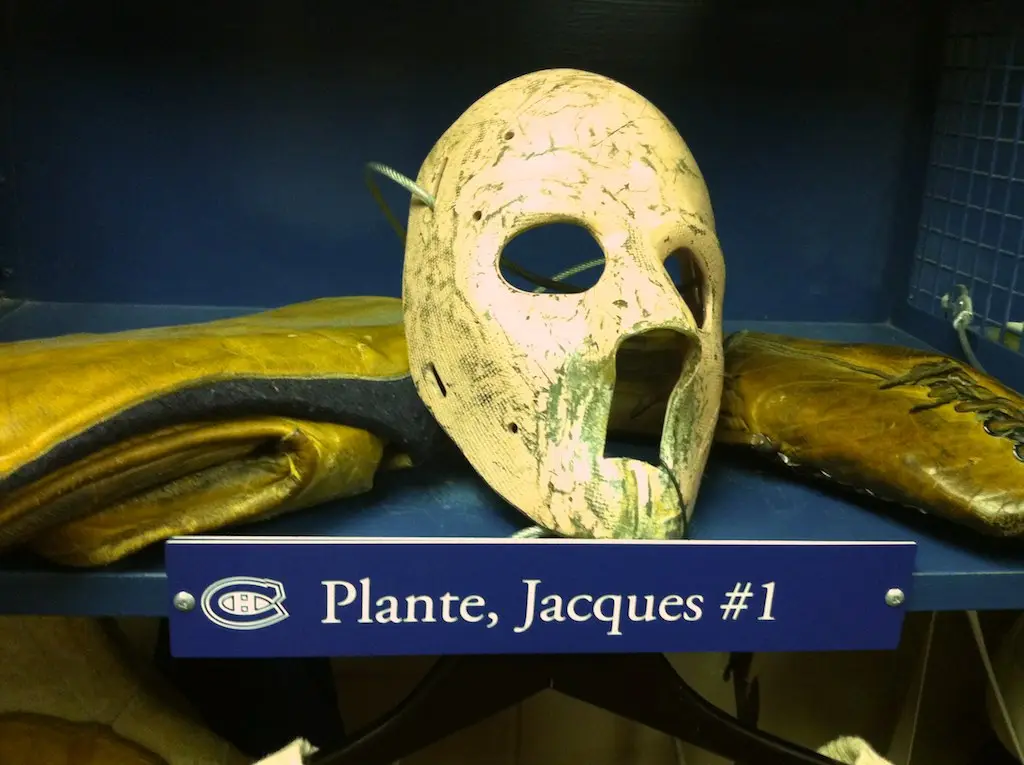
Goalie maskInvention (protective face mask for hockey goalies)Safety: protecting a goalie's face from pucks. Montreal Canadiens goalie Jacques Plante made the mask a regular part of NHL play in 1959.
PablumInvention (a precooked, vitamin-rich cereal for babies)Health and nutrition for infants. It was developed by doctors at Toronto's Hospital for Sick Children in the 1930s.
Insulin treatmentInvention (a medical treatment)Health: keeping people with diabetes alive. It was developed at the University of Toronto in the early 1920s.
Paint rollerInnovation (an improvement on the paintbrush)Convenience: painting large walls faster and more evenly. Norman Breakey of Toronto is credited with it in the 1940s.
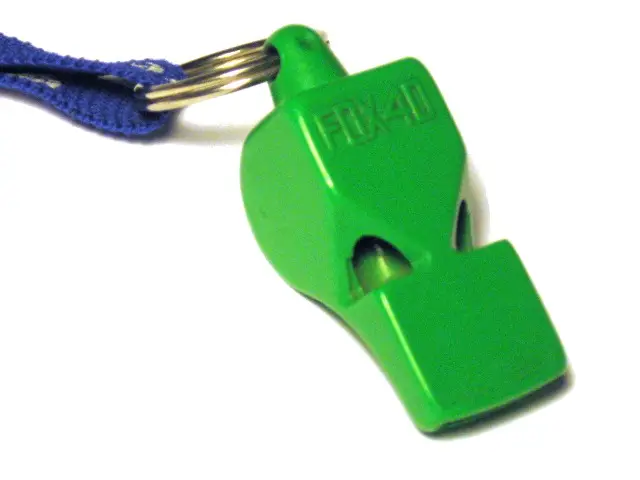
Fox 40 whistleInnovation (a whistle with no ball, or "pea", inside)Reliability for referees and lifeguards: a whistle that does not jam or fail when wet.
Canadian inventions and innovations and the needs or wants behind them.
A worn, cream-coloured goalie mask resting between old leather pads above a nameplate reading Plante, Jacques #1.
PhotoA Jacques Plante goalie mask on display at the Hockey Hall of Fame. The mask met a basic need, safety, which is the starting point for any invention that sells.Michael Pick from Brooklyn, United States, CC BY 2.0, via Wikimedia Commons

From invention or innovation to venture

An invention on its own earns nothing. It becomes a business only when an entrepreneur organizes the money, people and marketing needed to get it to customers. Canadian entrepreneurs have done this in different ways.

  • Fox 40: Ron Foxcroft, a basketball referee from Hamilton, Ontario, was frustrated by whistles with a cork ball inside that could stick and fail at key moments. He developed a pea-less whistle and built the Hamilton-based company Fox 40 around it in the late 1980s. A small, everyday frustration in his own work became a product sold to referees, coaches and safety workers.
  • Cirque du Soleil: founded in Quebec in 1984 by a group of street performers that included Guy Laliberté, it reinvented the circus. It kept acrobats and clowns, removed animal acts entirely, and added original music, costumes and storylines borrowed from theatre. Nothing about the circus was invented from scratch. The innovation was combining familiar parts in a new way for a new audience of adults willing to pay theatre prices.
  • Bombardier: Joseph-Armand Bombardier of Quebec developed vehicles that could travel over snow, and in the late 1950s his company launched the Ski-Doo, a small personal snowmobile. The need was getting around in deep snow; the venture grew from meeting it.
Why this matters for your venture
A student venture almost never needs an invention. Innovating is enough: a better version of a product, a more convenient way to deliver it, or a familiar product aimed at a group that is being ignored. Cirque du Soleil shows that rearranging existing parts can create a whole new kind of business.
Quick checkTry it before you read on
1
A student starts selling reusable water bottles with a built-in fruit infuser. This is best described as...
A green plastic whistle stamped FOX40, attached to a blue lanyard by a metal ring.
PhotoA Fox 40 whistle. It has no pea inside to stick or jam, an innovation that grew out of a referee's frustration and became a Hamilton business.Lkmorlan, CC BY-SA 3.0, via Wikimedia Commons

Worked examples

Reveal one step at a time and try to beat it to the next line.

Example 1
Classify each as an invention or an innovation and explain why: (a) the first telephone; (b) a phone case with a built-in wallet; (c) an app that lets students order cafeteria lunch ahead of time.
Example 2
Explain what Cirque du Soleil changed about the traditional circus, and identify the want it satisfied.
Example 3
A Grade 11 student notices that students' earbuds keep tangling in their backpacks. Use the Fox 40 story as a model to turn this frustration into a venture idea.

Where marks get lost

  • Calling every new product an invention. Most new products, such as a new phone model, are innovations because an earlier version existed.
  • Thinking an invention automatically becomes a successful business. Without an entrepreneur to finance, produce and market it, an invention earns nothing.
  • Believing a student venture must be original to the world. Improving an existing product or serving a new group of customers is enough.
  • Describing a product without naming the need or want it satisfies. Customers pay for what a product does for them, not for the product itself.

Flashcards 8

Invention
Innovation
Need
Want
+ 4 more

Practice

1
Which of the following is an invention rather than an innovation?
2
The goalie mask mainly satisfies which kind of need?
3
What made Cirque du Soleil an innovation rather than an invention?
4
Match each product to the best description.
Velcro
Fox 40 whistle
Pablum
Paint roller
5
In one word, what is the term for a new or improved version of something that already exists?
6
Put these steps in the order an entrepreneur like Ron Foxcroft would follow to turn a frustration into a venture.
  1. 1Design an improved version
  2. 2Organize money, production and marketing to sell it
  3. 3Test the improved version with real users
  4. 4Notice a problem with an existing product
7
Why do most student ventures rely on innovation instead of invention?
8
Name the Canadian province where Cirque du Soleil was founded.

Spot a mistake on this page? Let us know